
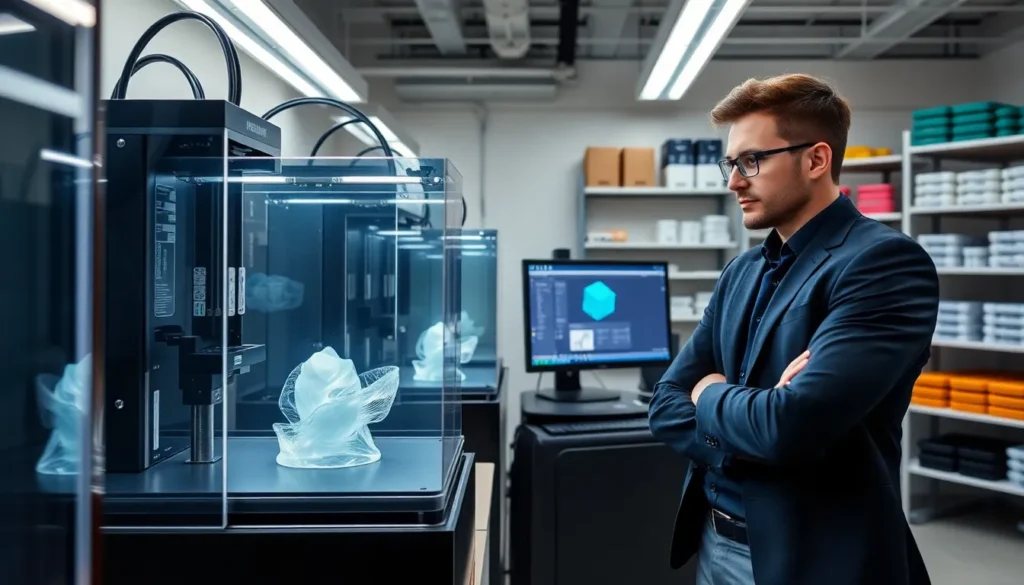
Have you ever wanted to turn your wildest ideas into reality? Well, SLA 3D printing services may just be your magic wand. Not only does this innovative technology produce stunningly precise models, but it also does so with a speed that would make even The Flash envious. In this text, we’ll jump into the nitty-gritty of SLA 3D printing, exploring its advantages, applications, and even how to choose the best service for your needs. If you think 3D printing is cool, just wait until you see what SLA can do.
What Is SLA 3D Printing?
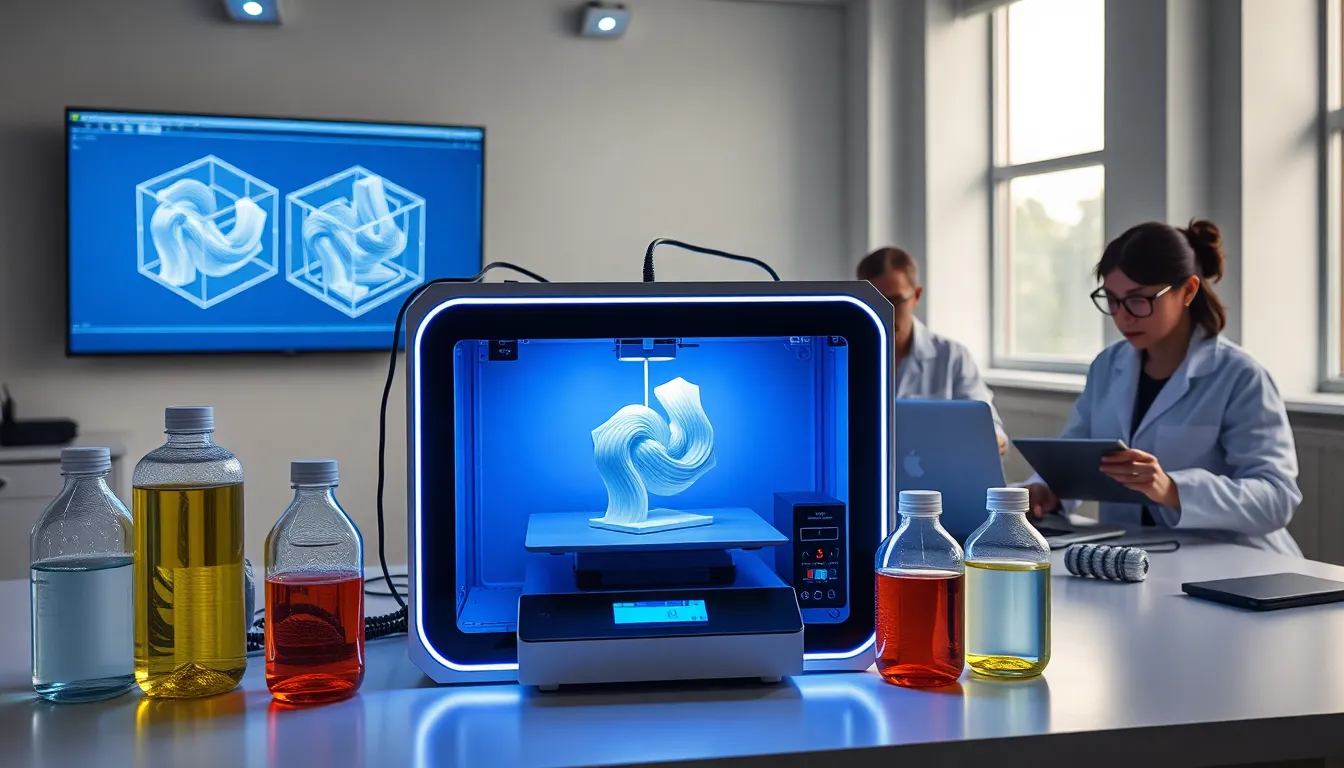
SLA, or Stereolithography, is a revolutionary 3D printing technology that utilizes a laser to cure liquid resin layer by layer. Imagine a high-tech dance where a laser beam pirouettes across a vat of resin, slowly bringing a digital design to life. Unlike traditional 3D printing methods that often use filament, SLA takes a different approach, making it particularly suitable for intricate designs that demand high levels of detail.
The process begins when your digital model is converted into a format compatible with the SLA printer. The printer then emits UV light, selectively hardening the resin to form solid layers. This layer-by-layer construction leads to complex geometries and stunning finishes, making SLA printing a favorite in industries like jewelry, dental, and engineering.
Whether it’s miniature prototypes or detailed functional parts, SLA provides the precision needed to achieve remarkable results. With rapid prototyping and elegant finishes, this technology reshapes how designs transition from concept to reality.
Advantages of SLA 3D Printing Services
When it comes to 3D printing, SLA services offer a treasure chest of benefits.
- High Precision and Detail: One of the standout features of SLA is its ability to produce intricate designs with fine details. Typical 3D printing might leave you wanting more finesse, but not SLA.
- Smooth Surface Finishes: The post-processing of SLA prints often requires less work. If you desire a glossy finish without much fuss, you’ll find SLA a close friend.
- Speedy Production: Unlike some other methods, SLA can churn out prototypes relatively quickly, allowing businesses to turn around designs faster.
- Material Variety: With a wide array of resins available, users can choose materials that fit specific needs, whether it’s flexibility, durability, or aesthetic appeal.
- Complex Geometries: The laser machinery allows for structures that would be tricky to achieve with other printing technologies, paving the way for creative freedom.
These features make SLA a sought-after choice across various industries seeking efficient production solutions.
Applications of SLA 3D Printing
SLA 3D printing isn’t just for show: it serves to elevate numerous industries.
- Dental and Medical: Dentists use SLA for creating custom implants and orthodontic devices, thanks to its precision. Imagine getting a tailor-made dental crown that fits like a glove.
- Jewelry Design: Jewelers can create detailed prototypes before committing to expensive molds. This gives them the flexibility to adjust designs on the fly.
- Automotive: Engineers turn to SLA for functional prototypes, ensuring that parts are tested for fit and function before manufacturing at scale.
- Aerospace: SLA’s ability to create lightweight yet strong components makes it a go-to for projects requiring extreme precision and reliability.
- Consumer Products: From concept to shelf, SLA aids in developing prototypes for everyday items, allowing businesses to iterate designs efficiently.
With diverse applications across sectors, SLA 3D printing continues to prove its worth time and again.
Choosing the Right SLA 3D Printing Service
With a multitude of SLA 3D printing services available, selecting the best for your project can feel like finding the perfect pair of shoes. Here are some tips to help navigate this decision:
- Quality and Precision: Look at reviews, or better yet, ask for samples. The sharpness of their printed model can tell you a lot about their capabilities.
- Turnaround Time: Different services offer varying production speeds. Make sure the one you choose aligns with your project deadlines.
- Material Options: Assess the range of resins available. A broad selection allows for creative latitude, so you can pick what best suits your needs.
- Customer Support: Good service often stems from good communication. A provider that responds quickly and is willing to assist can make the entire process smoother.
- Cost-Effectiveness: While quality is paramount, ensure you’re getting good value for your investment. Sometimes, the cheapest option isn’t the most economical.
Choosing the right service is essential to making your SLA printing experience smooth and successful.
Cost Factors in SLA 3D Printing Services
Understanding the costs associated with SLA 3D printing can be as complex as the designs it produces. Here are the main factors to consider:
- Material Costs: Resin types can vary significantly in price, with specialty resins often costing more. Decide what type your project truly requires.
- Print Size and Complexity: Larger or more complex models take longer to print, driving up costs. Sometimes simplicity can save money.
- Post-processing Requirements: Additional finishing touches increase time and labor costs. Ensure you factor in any required treatments for a polished final product.
- Service Fees: Different services may have varying pricing structures based on their technology and expertise. Comparing these can help you find the best fit for your budget.
- Volume: High-volume orders typically lead to discounts, but this might necessitate upfront planning.
Considering these factors will help you gauge the total price and find the most economical route for your SLA printing needs.
Future Trends in SLA 3D Printing
As technology evolves, so too does the world of SLA 3D printing. Here are some emerging trends worth keeping an eye on:
- Improved Materials: Researchers are continuously developing new resins with enhanced properties, such as greater strength and environmental resistance.
- Enhanced Speed: Innovations in printing technology are aimed at increasing the speeds at which SLA printers operate, potentially revolutionizing production timelines.
- Integration with Other Technologies: The combination of SLA printing with other manufacturing techniques could lead to hybrid technologies that enhance functionality.
- Customization and Personalization: As consumers seek more personalized products, SLA’s adaptability positions it as a leader in meeting these demands.
- Sustainability Initiatives: As environmental concerns grow, manufacturers are looking for more sustainable resins and efficient processes to lessen material waste.
These trends hint at a bright future where SLA 3D printing continues to innovate and redefine production capabilities.


