
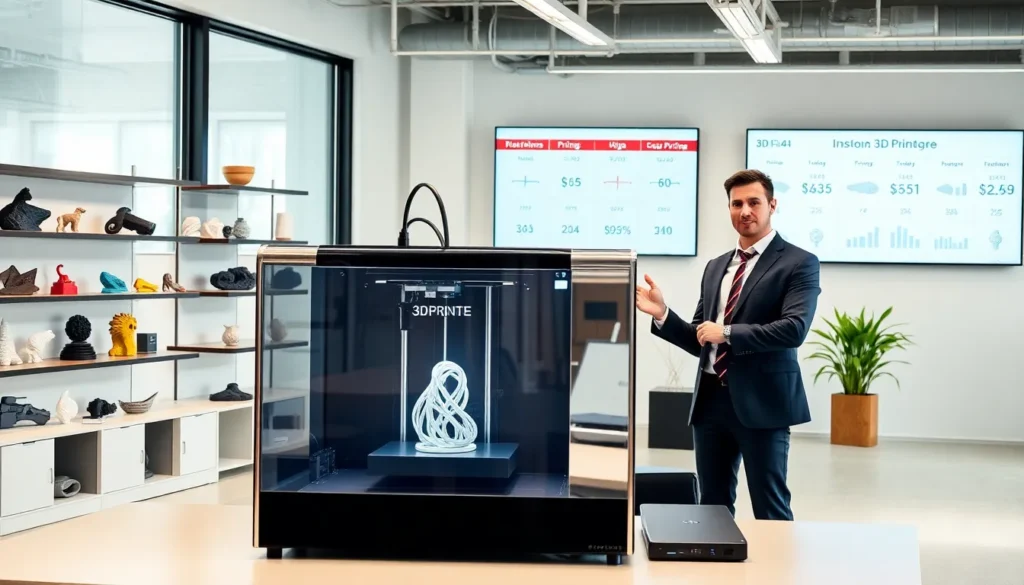
Ever wondered why your coffee maker seems more affordable than a 3D printing machine? Welcome to the world of 3D printing, where prices can soar higher than your well-intentioned New Year resolutions. Whether you’re a hobbyist dreaming of creating your own action figures or a business magnate eyeing the future of manufacturing, understanding the costs involved is crucial. This article dives deep into the factors influencing 3D printing machine prices, helping you make an well-informed choice. Grab your favorite beverage and let’s demystify the costs together.
Factors Influencing 3D Printing Machine Prices
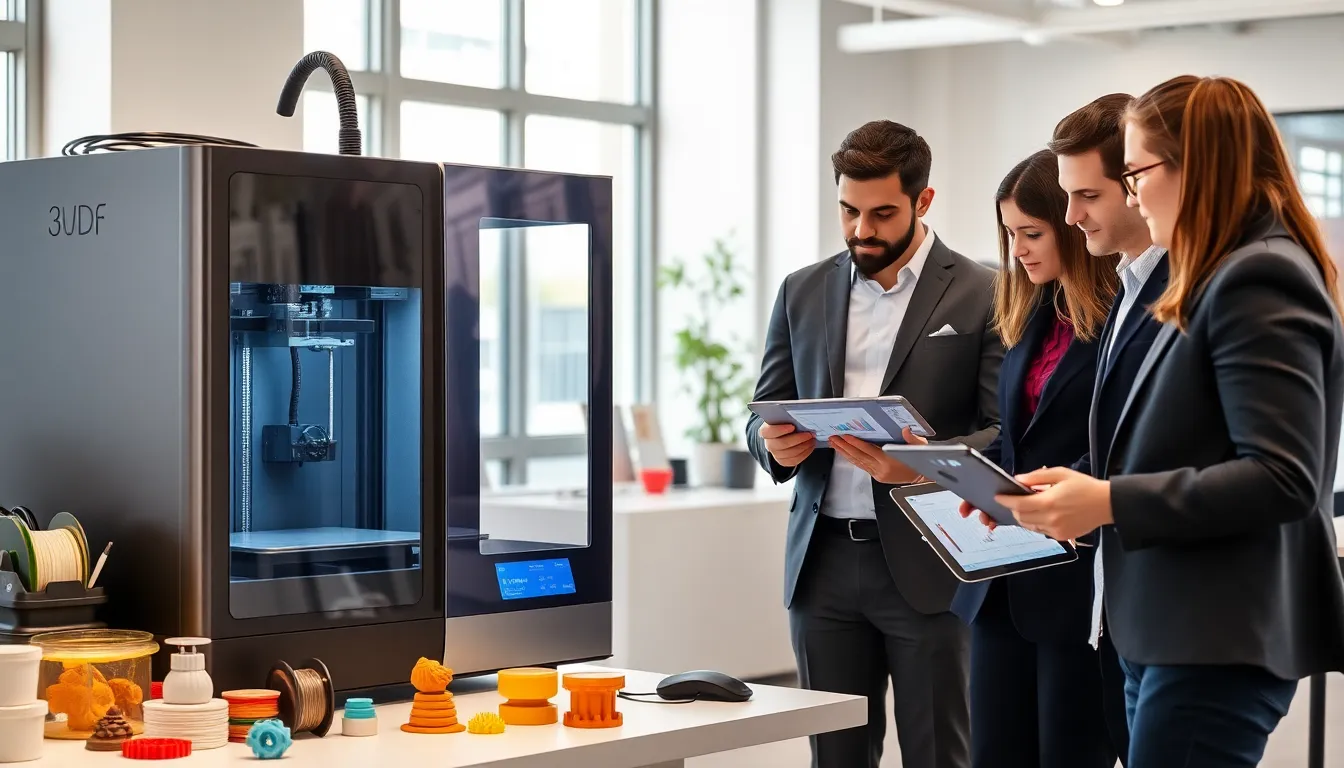
The price of a 3D printing machine can vary immensely based on several key factors. First and foremost, the technology used in the printer plays a pivotal role. For instance, machines using Fused Deposition Modeling (FDM) may be less expensive than those utilizing Stereolithography (SLA) or Selective Laser Sintering (SLS). Each technology has its advantages, disadvantages, and associated costs that can significantly influence the final price.
Another important aspect is the build volume. Larger build volumes are capable of producing bigger parts but come with a heftier price tag. Also, the materials used can also drive up costs. Specialized filaments or resins typically demand higher prices than standard options.
Finally, brand reputation and support availability can impact pricing. Some brands offer more robust customer service and extensive warranties, which can justify a higher cost. So, it’s vital for prospective buyers to consider what they value most when weighing the price of a 3D printing machine.
Types of 3D Printing Technologies
3D printing technologies can be broadly categorized into several different types, each catering to various needs and budgets. Understanding these categories is key to identifying the price ranges and capabilities associated with each.
Cost of Entry-Level 3D Printers
Entry-level 3D printers, often based on FDM technology, typically range from $200 to $500. Ideal for beginners and hobbyists, these models are user-friendly and come with a variety of features to help newcomers ease into the 3D printing world. Even though their lower price, they can produce impressive results for basic projects while not very costly.
Cost of Professional 3D Printers
On the other hand, professional 3D printers cater to businesses and serious enthusiasts, often starting around $1,000 and can go up to $10,000 or more. These machines generally offer higher precision, better material options, and larger build volumes. Many professionals find that the investment pays off in terms of quality, speed, and efficiency.
High-End 3D Printing Solutions
For those looking at the high end of the spectrum, industrial 3D printing solutions can range from $10,000 to over $100,000. These printers use advanced technologies like SLS or multi-material printing, designed for mass production and intricate projects. Although the price tag is steep, the capabilities offered can significantly lower manufacturing costs over time.
Comparing Costs Across Different Brands
When it comes to purchasing a 3D printer, comparing prices across brands is essential. Several brands dominate the market, each offering unique features at varying price points.
For instance, brands like Creality and Prusa are known for their affordability and user-friendly designs, appealing to entry-level users and hobbyists. On the opposite end, companies like Stratasys and 3D Systems provide high-end machines with advanced technology and superior capabilities ideal for professional use.
It’s important to look beyond the price alone. Evaluating customer reviews, support, warranty options, and ease of use can provide deeper insights. Sometimes, a slightly higher upfront cost can lead to lower long-term costs when considering reliability and material efficiency.
Budgeting for Additional Costs
While the initial purchase price of a 3D printer is significant, buyers should be aware of additional costs that can quickly add up. Beyond the machine itself, consider the price of materials. Filaments or resins are ongoing expenses, and their costs can vary widely.
Also, maintenance supplies such as cleaning agents, replacement parts, and upgrades should be factored into the overall budget. Depending on usage, these costs can amount to a substantial percentage of the total investment, influencing both immediate financial outlay and long-term ownership costs.
Also, don’t forget about software. Some 3D printers come with free software, but others may require purchasing licenses for professional-grade design programs. These can be quite costly, depending on the features they offer.


